Resources

The Problem & Knowledge Hub

Understanding why medicine quality fails after manufacturing, and how Good Distribution Practices (GDP) protect medicines as they move through warehouses, distributors, transport, and pharmacies to the point of care.

This knowledge hub brings together regulatory signals, scientific evidence, and real-world supply chain insights to highlight where distribution gaps occur and how they affect product quality, patient safety, and public health.

Use these resources to understand risks such as substandard medicines, cold chain failures, and weak last-mile practices, and to see why independent GDP oversight matters for both local organizations and international importers sourcing from India.

Healthcare professionals reviewing medicine quality and cold-chain data

Why Good Distribution Practices (GDP) Matters?

Why Good Distribution Practices (GDP) Matters?

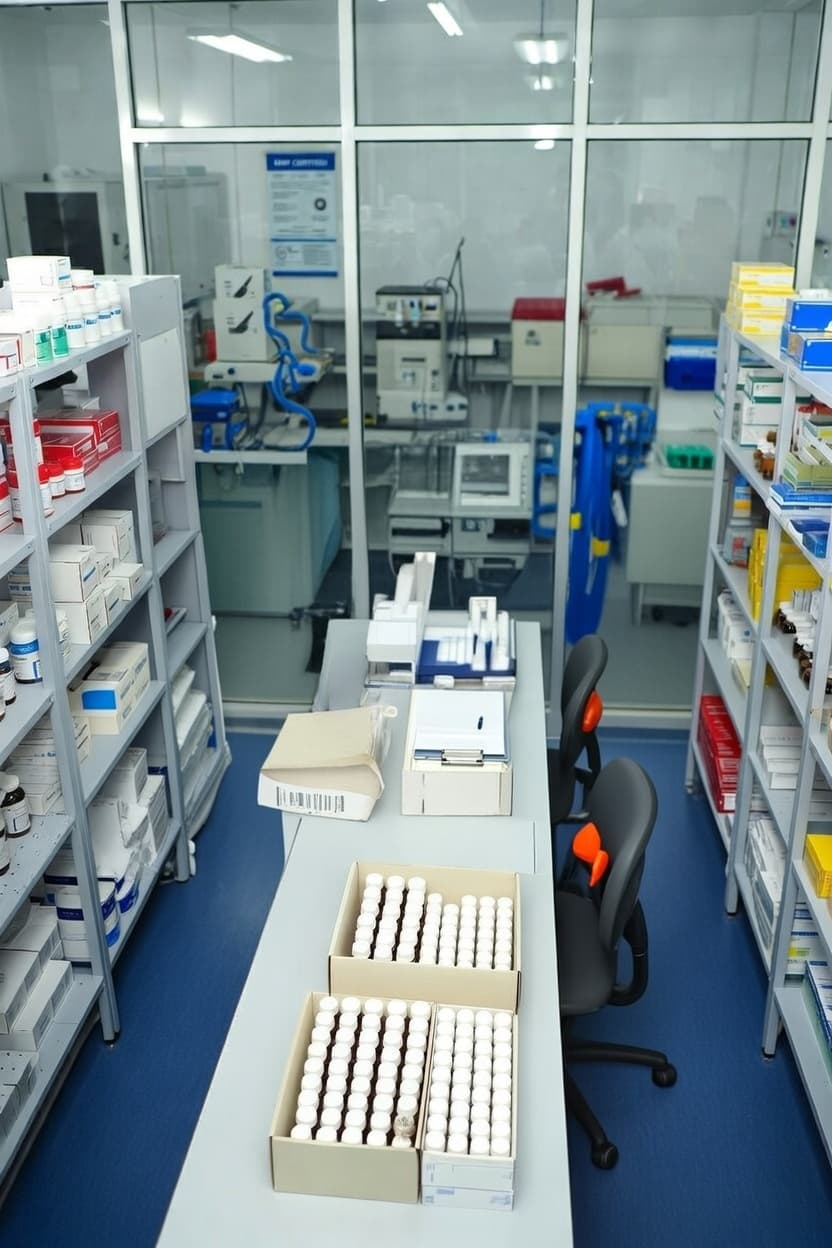
Good Distribution Practices (GDP) are globally recognized quality standards that ensure medicines and medical commodities are stored, transported, and handled correctly after leaving the manufacturer. GDP focuses on maintaining appropriate temperature, humidity, cleanliness, documentation, traceability, and accountability throughout the supply chain until the product reaches the patient. While manufacturing quality is tightly regulated, GDP ensures that this quality is not lost during storage and distribution, which is especially critical in climates like India and in complex, multi-layered supply chains.


Why Medicine Quality Is at Risk After the Factory Gate.

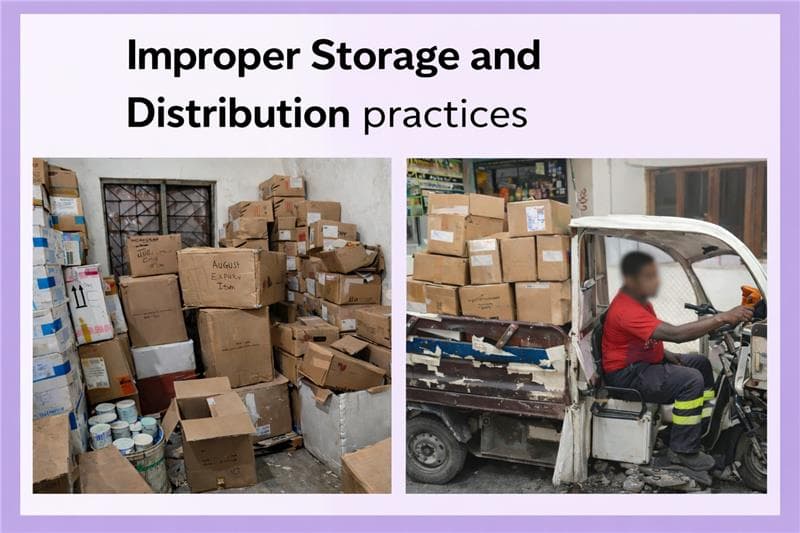
Medical Products can lose their quality, safety, and effectiveness after manufacturing due to poor storage conditions, temperature excursions, humidity exposure, rough handling, and weak documentation. Scientific studies show that repeated exposure to temperatures outside recommended limits—even for short periods—can lead to chemical degradation, reduced potency, and shortened shelf life, even when products are within expiry dates. These risks often occur at warehouse, distributor, transport, and pharmacy levels, making GDP a critical safeguard beyond manufacturing compliance.

Why Medicine Quality Is at Risk After the Factory Gate.

India Context: Distribution Gaps and Regulatory Signals

India Context: Distribution Gaps and Regulatory Signals

In India, regulatory alerts and quality surveillance reports regularly identify medicines that are Not of Standard Quality (NSQ). While causes vary, weak storage, transportation, and handling practices remain key risk factors, especially in fragmented supply chains involving multiple intermediaries. The Indian distribution ecosystem—characterized by high temperatures, power variability, and non-technical handling—requires stronger GDP awareness, training, and system-based controls to protect medicine quality at the last mile.

Substandard Medicines: Genuine but Degraded Products

Global studies highlight that a significant portion of substandard medicines are not counterfeit, but genuine products that have degraded due to improper storage or distribution. Research published in leading medical journals links such degradation to treatment failure, antimicrobial resistance, and avoidable patient harm. This evidence reinforces that distribution quality failures can have the same clinical impact as manufacturing defects, making GDP compliance a public health necessity rather than a regulatory formality.

Substandard Medicines: Genuine but Degraded Products

Why GDP Matters for International Importers Sourcing from India

Why GDP Matters for International Importers Sourcing from India

For international buyers, medicine quality risk does not end with GMP-approved manufacturing sites. Global regulators and procurement agencies increasingly recognize that distribution, warehousing, and domestic transport in the source country directly impact final product quality. Independent GDP checks, random site visits, and supply chain transparency help importers reduce compliance risk, prevent recalls, and protect patient safety. GDP assurance across the entire supply chain is now considered a best practice for responsible sourcing.

Cold Chain Failures and Patient Safety Risks

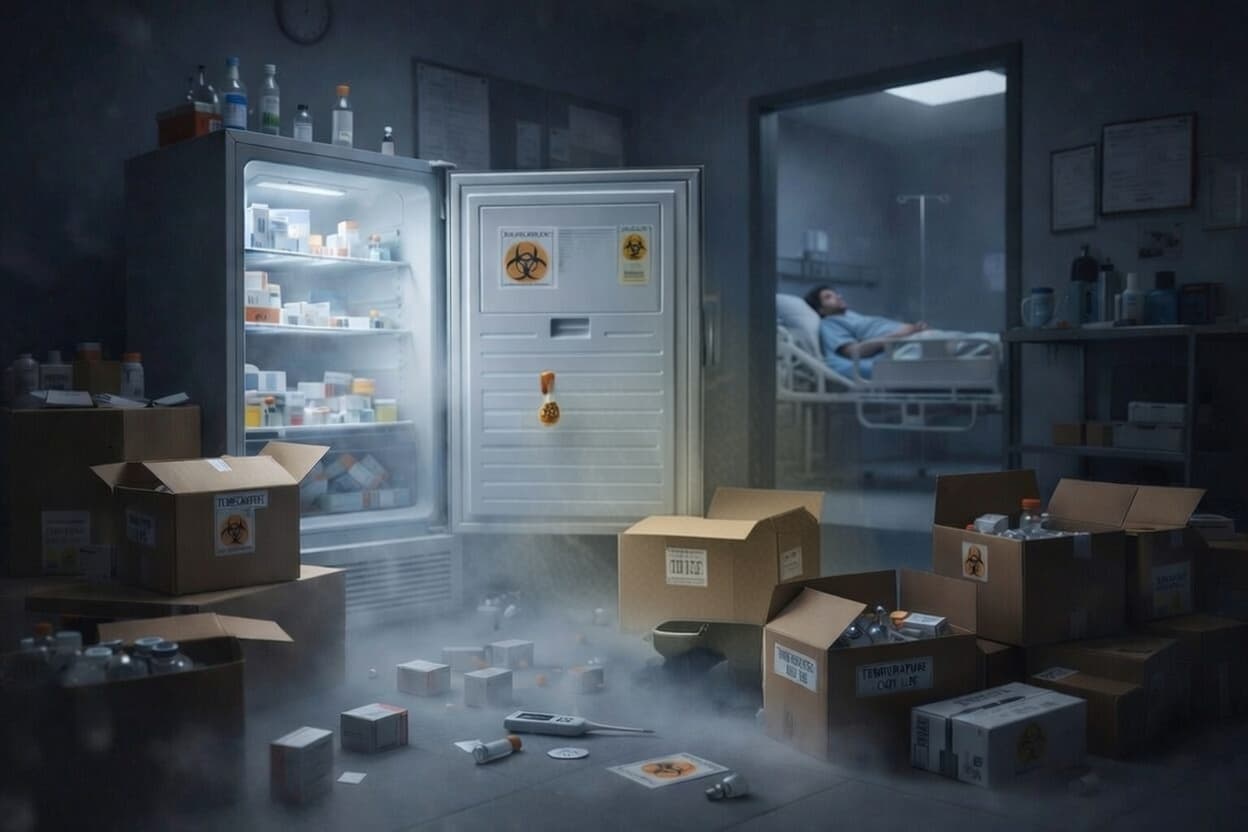
Temperature-sensitive products such as insulin, vaccines, biologics, and certain injectables are especially vulnerable to cold chain failures. Research published in peer-reviewed journals shows that 20–40% of cold-chain products experience temperature excursions during storage or transport. Exposure to excessive heat can reduce insulin effectiveness, while freezing can permanently damage vaccines—posing serious patient safety risks despite the products appearing normal. Many of these failures occur due to lack of monitoring, poor refrigerator practices, or untrained handling at distributor and retail levels.

Cold Chain Failures and Patient Safety Risks